The burden of choice runs through this year’s Festival d’Aix-en-Provence. From the moral trials of Die Zauberflöte to Die Frau ohne Schatten, where happiness can only be secured at another’s expense, the festival repeatedly returns to moments when a single decision transforms a life. In Francesco Filidei’s Accabadora, premiered at the eighteenth-century jewel-box Théâtre du Jeu de Paume on July 4, that choice becomes the most agonising of all: whether compassion can justify helping another human being to die.
Based on Michela Murgia’s celebrated novel, the opera centres on two ancient Sardinian traditions. The first is the custom of giving the youngest child of a poor family to a childless relative, who raises the child as their own. The second is the tradition of the accabadora, a woman entrusted with ending the suffering of those whose lives have reached their natural end.
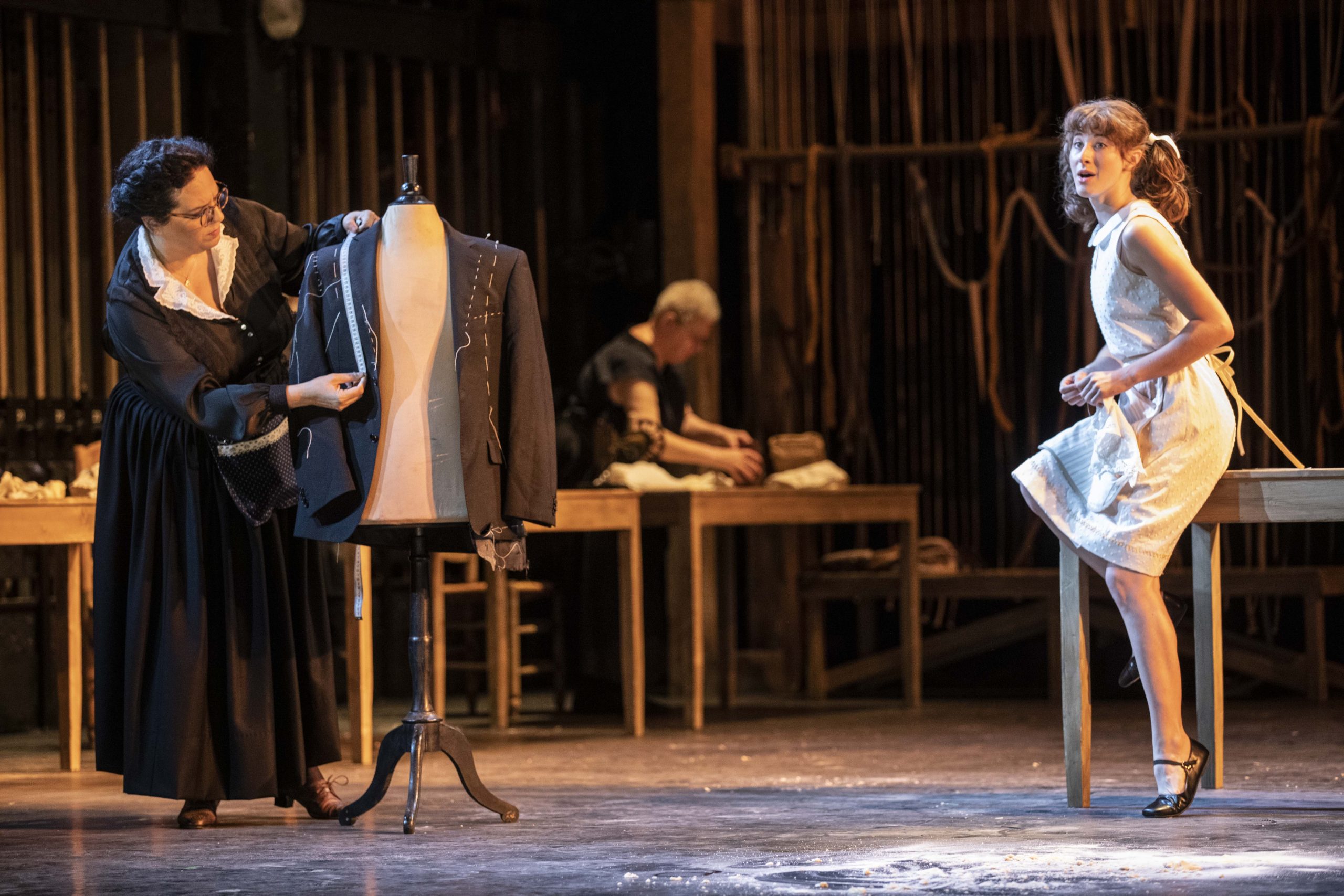
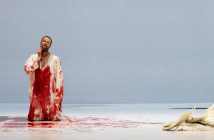
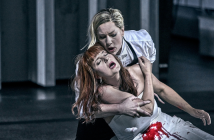
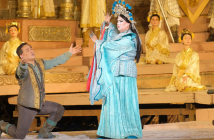
Noa Frenkel (Tzia Bonaria) & Rachel Masclet (Maria) in Accabadora at Festival d’Aix-en-Provence.
Photo: Jean-Louis Fernandez
It is through this act of adoption that the young Maria comes into Tzia Bonaria’s household, where she forms a strong bond that is ultimately put to the test when she discovers her aunt’s secret vocation. The subject inevitably recalls today’s debates surrounding euthanasia, yet the opera never becomes polemical. Instead, it examines the immense moral burden carried by Tzia Bonaria, who acts not from conviction but from compassion.
The story unfolds in a rural Sardinian community where work, religion, folklore and family life are inseparable. Bread-making, harvests, childhood, love and death form the fabric of everyday existence. Ritual, secrets and superstition lurk at every turn, yet the opera lays them bare. Tzia’s vocation remains a mystery only to those around her; we understand long before the other characters the terrible responsibility that defines her life.
It is this emotional transparency that gives Accabadora a quality one rarely encounters in contemporary opera. Although Filidei’s musical language is unmistakably modern, the opera possesses something akin to a psychological verismo. Not verismo in the musical sense, but in its focus on ordinary lives. Physical pain, grief, love, anger and compassion are not ideas to be debated but emotions to be experienced. This is a world of labour and necessity, of harvests and bread-making, where love stories unfold alongside illness and death. The characters are never reduced to symbols or archetypes. They remain recognisably human, and the singers inhabit them with exceptional psychological conviction.
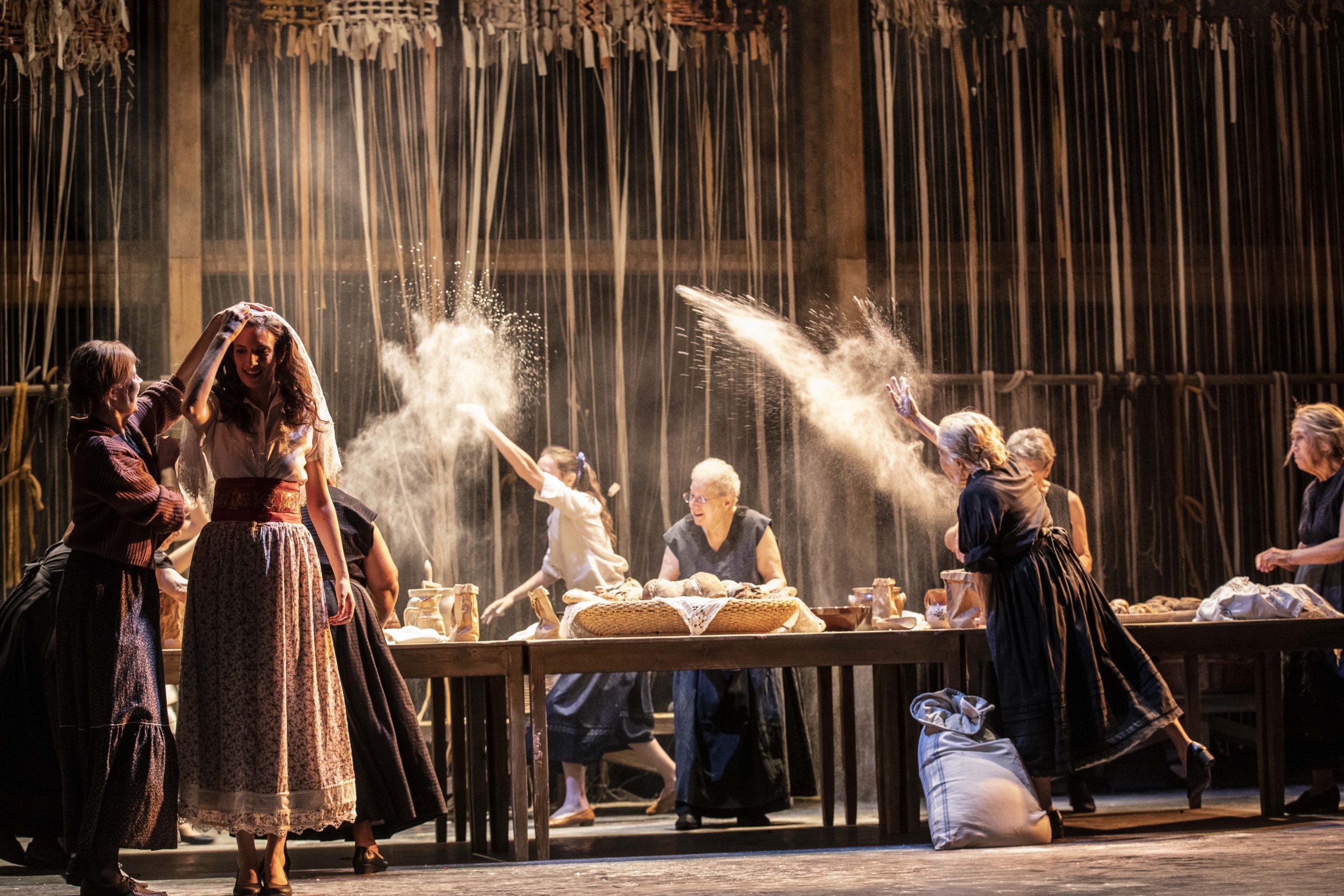
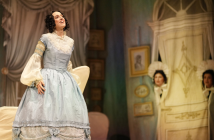
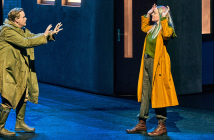
Scene from Accabadora at Festival d’Aix-en-Provence. Photo: Jean-Louis Fernandez
Filidei’s fourth opera confirms once again that he is one of the most compelling composers writing for the lyric stage today. His score reveals an extraordinary imagination for orchestral colour. The orchestra seems less to accompany the action than to create the physical atmosphere in which it unfolds. Every instrumental colour contributes to a sonic landscape that feels tangible and inhabited, evoking the elements, the earth and human labour with remarkable subtlety. One remembers less individual melodies than the sensation of having inhabited a particular world of sound.
Equally impressive is the vocal writing. The text remains consistently intelligible, the vocal lines flow naturally from speech, and the range is rarely pushed to unnecessary extremes. With the notable exception of Tzia’s unusually low tessitura, the writing allows every singer to concentrate on character rather than vocal display.
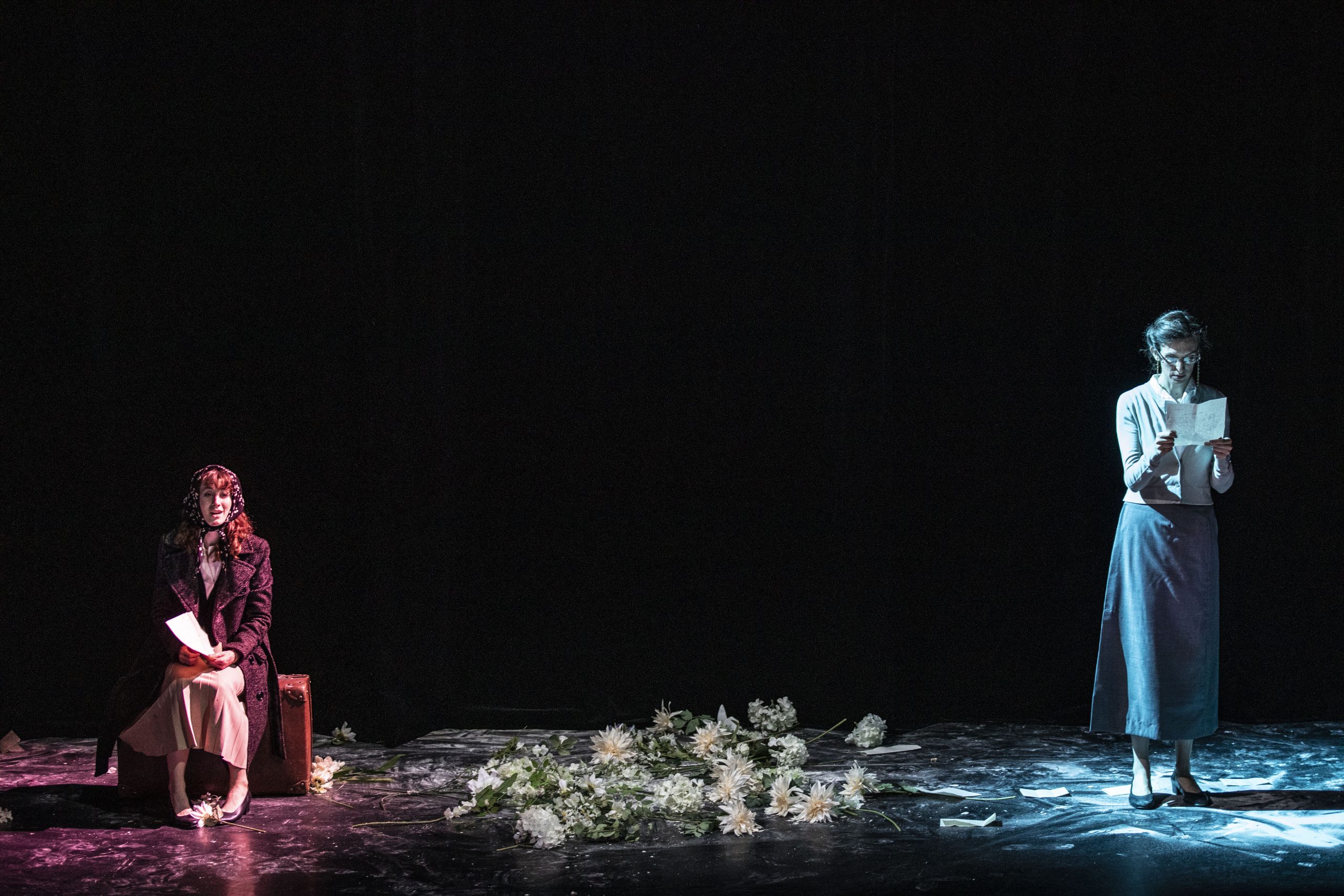
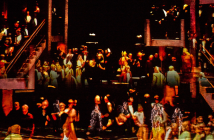
Scene from Accabadora at Festival d’Aix-en-Provence. Photo: Jean-Louis Fernandez
There is something resolutely classical about Filidei’s writing for operatic voices. Hugo Brady brings lyrical warmth and youthful innocence to Andria, while Lodovico Filippo Ravizza’s dark baritone lends Nicola dramatic presence without ever reducing him to a simple villain. Above all stands Noa Frenkel’s magnificent Tzia, whose dark contralto conveys both authority and vulnerability, making palpable the immense weight of the secret she carries. Under Valentina Carrasco’s direction, the acting is remarkably natural, every gesture and every phrase serving the emotional truth of the drama.
Lucie Leguay conducts with admirable precision and sensitivity, allowing every detail of Filidei’s finely woven orchestral writing to emerge while never losing sight of the singers or the unfolding drama.
In an age when contemporary opera often privileges concept over storytelling, Accabadora reminds us that opera’s greatest strength remains its capacity to illuminate the moral complexity of ordinary lives.
Festival d’Aix-en-Provence’s production of Accabadora continues its run through July 10.