
Tenor Colin Ainsworth’s announced indisposition at VOICEBOX: Opera in Concert’s Nov. 15 presentation of Grétry’s Richard Coeur-de-lion proved not as potentially ruinous as one might have anticipated. The title role is remarkably short, consisting mainly of an aria and a duet. Ainsworth bravely soldiered on (how could one possibly find another tenor at short notice to fill his shoes in such a rare work?), singing much of his part down an octave. Glints of his familiar bright tone shone through on occasion and his stage presence and declamation were impeccable as usual.
But despite its title, the main mover of this piece is Richard’s squire, Blondel. This gift of a role requires an excellent singing-actor capable of disguising himself as a blind man and who can also deliver physical comedy and verbal wit. Vocally, the role includes all manner of ensembles and lyric melodies to test the singer’s technical mettle.
In tenor Yanik Gosselin, the company found an ideal exemplar of the French lyric tradition. His lean, but always penetrating instrument was perfectly-suited to “Ô Richard, ô mon roi!,” the touching melody that Blondel sings to find and identify the imprisoned Richard. Gosselin used his tall, lanky physicality to good comic effect in a later drinking scene with the chorus. Crucial to his success was his masterful enunciation of the French text. Vowels were authentic and clear; consonants judiciously placed—you could have taken dictation.
The work itself is a fascinating wakeup call for opera lovers more familiar with later French opera—the Carmens, Fausts and Roméo et Juliette’s we see more frequently. In the genre’s earlier, opéra comique iteration, we get spoken dialogue (here smartly translated into English by Diane Loeb and company director Guillermo Silva-Marin) and a wide variety of musical formats. Tunes are more like songs than grand arias and there is a quick succession of inventive ensembles, often given to unusual voice combinations (two tenors and baritone, for example). There is plenty of chorus involvement, expertly sung by the company’s home ensemble, conducted by Robert Cooper.
Silva-Marin’s stage direction revealed increasing comfort with his company’s newish venue, Jeanne Lamon Hall at Toronto’s Trinity-St. Paul’s Centre. He effectively placed the chorus in a side balcony to announce the king’s arrival, where the richness and volume of their sound belied the relatively small number of voices.
The lead women’s roles are relatively small, but both were well-taken. After her success last season as Alice in OIC’s Robert le diable, soprano Nicole Katerberg returned as the Countess Marguerite. She possesses a distinctive, ample, yet focused timbre and confident stage presence.
Winnipeg coloratura soprano Alice Macgregor made a company debut as Laurette, whose forbidden love for Richard’s captor, Florestan, ultimately allows for the king’s release. Macgregor’s pointed timbre is a sort of throwback to the French coloratura tradition of Mady Mesplé and all-the-more enjoyable for that in a world of cookie-cutter singers.
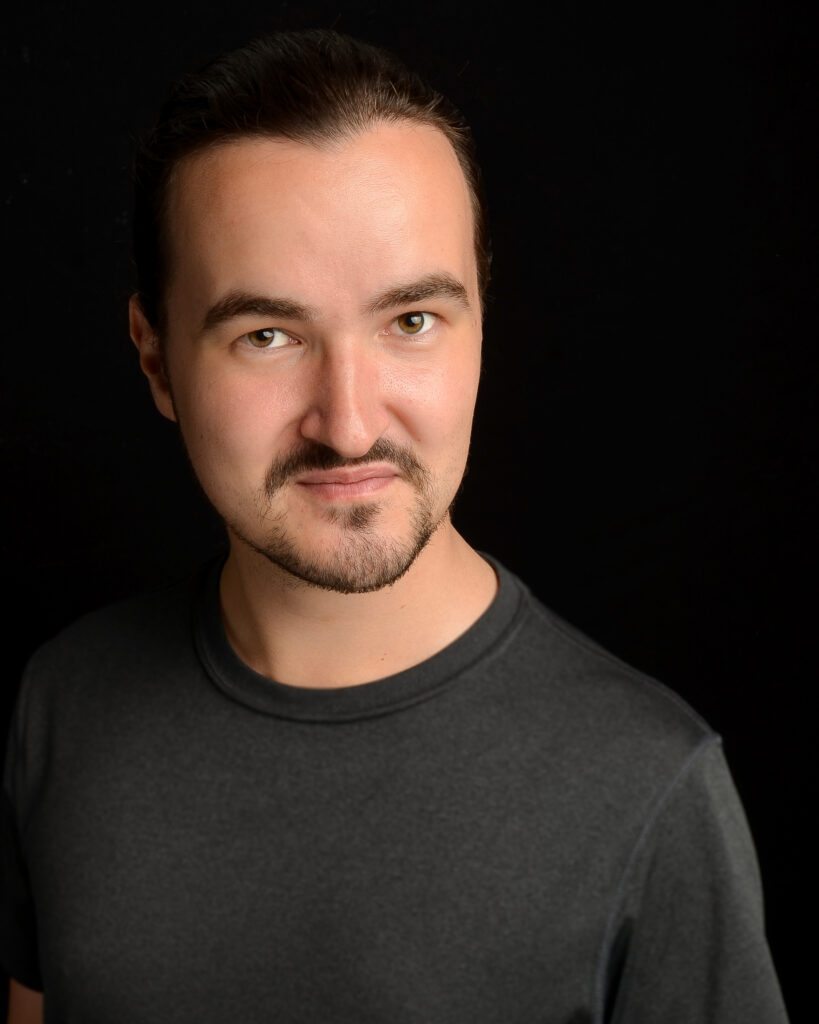
Joseph Ernst
Baritone Joseph Ernst as Laurette’s father Sir Williams continues to offer the company much in the way of character-building and a healthy lyric baritone. In the pants role of Blondel’s guide, Antonio, soprano Madeline Cooper got things off to a good start lending an attractive lyric sound to the opening strophic air.
Suzy Smith was the excellent pianist and as an added bonus, there was violinist Soltan Mammadova who played from the gallery while Blondel ‘fake-played’ onstage.
OIC continues to offer Toronto audiences strongly-cast operas from the fringes of the repertoire. A new endeavour is underway to return to an earlier tradition in the company’s history of presenting one production per season with full orchestra. While this has the backing of the Azrieli Foundation, it also merits individual financial contributions. Audience attendance was respectable on Nov. 15, but OIC’s productions deserve better support from the city’s opera-going audience.
VOICEBOX: Opera in Concert’s next production is Bellini’s La sonnambula on Feb. 14.