The second concerto for cello by Dmitri Shostakovich is the least ingratiating of the six he wrote, two for each major instrument. Opening with a gloomy, growling monologue, the solo part is matched in misery by the orchestra. The concerto was written in 1966 and first performed by Mstislav Rostropovich at a Moscow concert to mark the composer’s 60th birthday. Knowing that public pessimism was an offence in the Soviet Union, Shostakovich held nothing back. The four-minute middle movement is friskier, though no less morbid than the opening Largo. Only in the finale does the composer express some relief and gratitude…
Browsing: CD and Book Reviews
In May 1933, the composer Paul Frankenburger left Munich for Tel-Aviv, where he Hebraised his surname and became teacher of the first generation of Israeli-born composers. An austere man, steeped in German Bildung, Ben-Haim grew excited by the microtonal singing of Jews from Arab lands and accompanied the Yemenite performer Bracha Zefira at the piano on extensive concert tours. His orchestral music, however, remained strictly tonal. The Concerto Grosso, premiered by the Palestine Symphony Orchestra under Issay Dobrowen, takes its neo-classical form from Stravinsky and Strauss and its expansive slow movement from Mahler and Brahms. That said, Ben-Haim is…
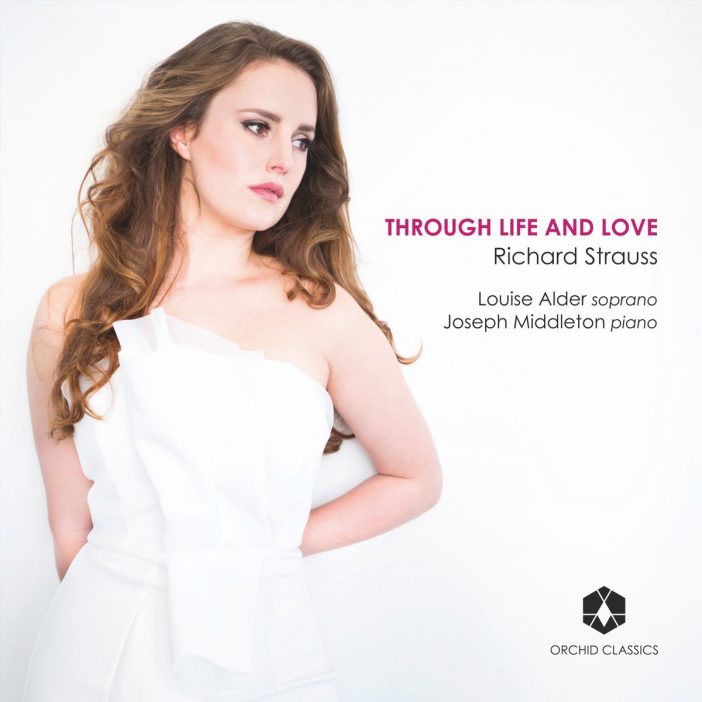
Of the two UK finalists in BBC Cardiff Singer of the World last weekend, many felt the English soprano Louise Alder stood a better chance than the Scottish mezzo Catriona Morison. Alder commanded the stage with unfeigned confidence, a breeziness that shines through this, her well-timed debut recording. The repertoire is bold, as well. Songs by Richard Strauss are not for wallflowers. Everything has to be just-so, shimmering on the surface and hinting at Freudian urges below. Alder, who made an opera debut as Glyndebourne’s stand-in Sophie in Der Rosenkavalier in 2014, sounds undaunted by anything Strauss can throw at…
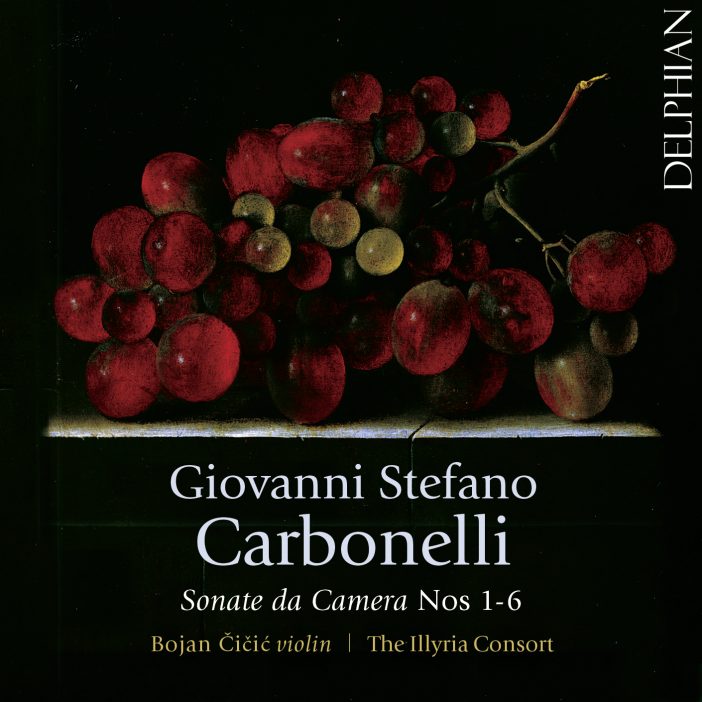
Never heard of Carbonelli? Don’t feel too bad about it. The Vivaldi scholar Michael Talbot writes that he ‘has remained unknown, even to specialists’. Listen to the music, though, and you will wonder how work of such quality and intricacy could vanish so comprehensively into the mists of history. Carbonelli was a star violinist in London during Handel’s time. Born in Livorno in 1694 and possibly half-French, he becomes concertmaster at Drury Lane Theatre at the age of 25 and a much sought-after soloist. The Duke of Rutland paid for the publication of 12 sonatas and Carbonelli seemed well set…
Never heard of Carbonelli? Don’t feel too bad about it. The Vivaldi scholar Michael Talbot writes that he “has remained unknown, even to specialists.” Listen to the music, though, and you will wonder how work of such quality and intricacy could vanish so comprehensively into the mists of history. Carbonelli was a star violinist in London during Handel’s time. Born in Livorno in 1694 and possibly half-French, he becomes concertmaster at Drury Lane Theatre at the age of 25 and a much sought-after soloist. The Duke of Rutland paid for the publication of 12 sonatas and Carbonelli seemed well set…
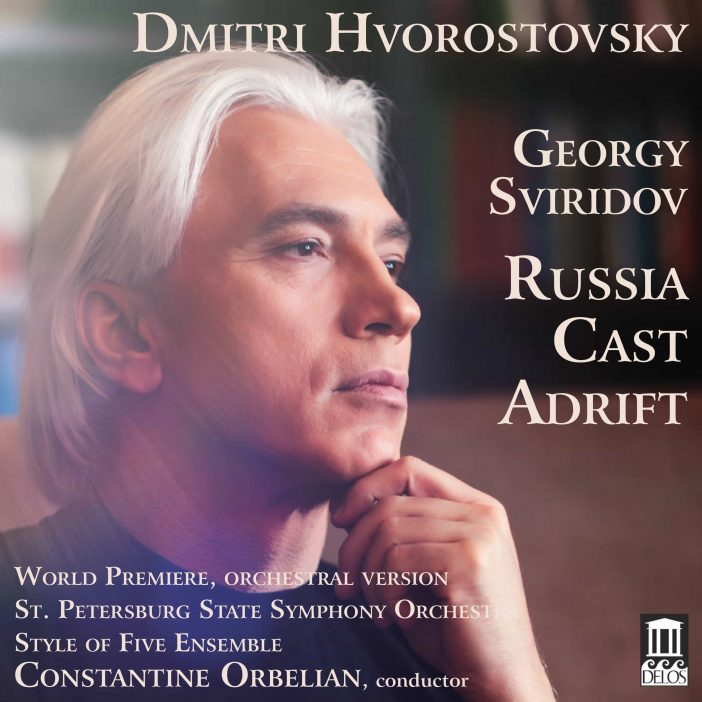
The texts of this song cycle were written by Sergei Yesenin between 1914 and 1920, a period of world war, revolution and civil war. Yesenin committed suicide in 1925 at the age of 30. His poetry is steeped in religious ritual, village life and bucolic imagery. The music was composed in 1977 by the contemplative, conservative Sviridov, who was born in the thick of Russia’s metamorphosis. His idiom – narrative, tonal, almost static at times – reflects the stand-off between political upheaval and the impervious cycles of nature. The half-hour cycle is sung here in an orchestral setting made specially…
Never forget that Maurice Ravel was more Basque than French. His rhythms and harmonies belong to the borderlands. He is happiest with the smell of Rioja in his nostrils. There must be other pianists who have paired Ravel’s two piano concertos on record with De Falla’s Nights in the Garden of Spain, but I can’t call any recent releases to mind. Or maybe Steven Osborne’s account is just so thrilling that it has erased them from memory. There is never a moment in this performance when you doubt the absolute rightness of his choices. In the Ravel G major, Osborne…
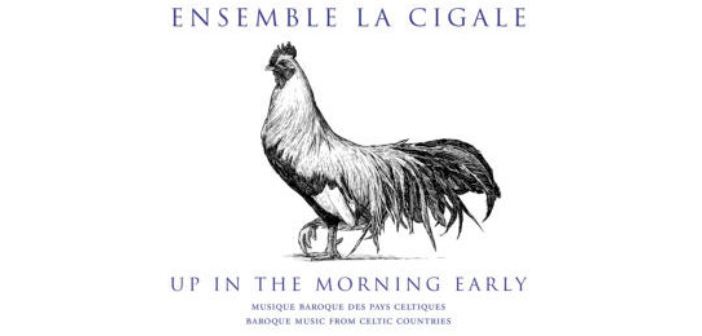
Up in the Morning Early Ensemble La Cigale Madeleine Owen, lute, theorbo; Sara Lackie, harp; Vincent Lauzer, recorders; Marie-Laurence Primeau, viola da gamba; Sara Tsuji, violin Leaf Music 2017, LM 211, 73 min 17 s. Ensemble La Cigale’s sophomore offering – their first album, Tiorba Obbligata for solo theorbo and accompaniment, was a Prix Opus finalist in 2012–13 – shows sophistication in its simplicity. The Celtic Baroque repertoire on this recording, oft-forgotten in contemporary considerations of the period, actually included some of the tunes and cultured styles that inspired continental European composers from George Frideric Handel to Francesco Geminiani. Returning…
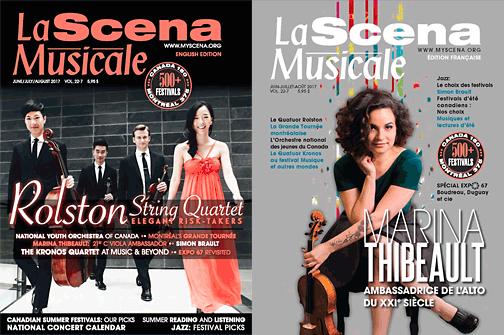
Toquade Marina Thibeault, viola; Janelle Fung, piano ATMA 2017. ACD2 2759, 66 min 58 s. With the first recording of her career, violist Marina Thibeault strikes a balance between spirited and sentimental, tradition and innovation, accessibility and abstraction, leaving us with a clear and compelling understanding of the breadth of both the repertoire and the instrument itself. Thibeault has a sensitive but firm touch, painting long lines in which sounds become ideas. The disc opens with the Valse sentimentale from Tchaikovsky’s Six Pieces Op. 51. The transcription of the piece, originally written for piano, highlights the thematic binaries – the…
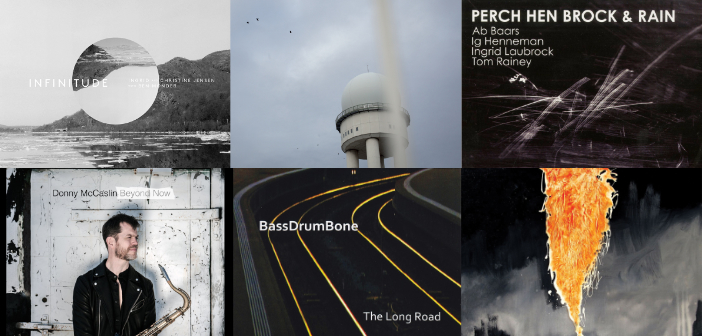
Donny McCaslin Beyond Now / Motema Music Tenorman Donny McCaslin saw fit to doff his cap towards the man once known as Ziggy Stardust, including two of his tunes (“A Small Plot of Land” and “Warszawa”) on this his latest release. His appearance on Blackstar, Bowie’s musical testament issued but two days before his passing in early 2016, represents quite a career boost for this most deserving saxophonist. Not a tribute album per se, this outing has all the earmarkings of the slickness and polish of pop music that Bowie excelled at. In the disc’s nine tracks (a tenth available…