Name an Italian symphonist. Go on, quickly, just one. There were plenty in Mozart’s time, nothing much since. The market shifted to opera and those who wrote abstract music were left to embrace obscurity. My attention was arrested this week by a German orchestra performing a pair of Italians who persisted with non-vocal music against all commercial algorithms. Ottorino Respighi (1879-1936) achieved tourist-class renown with symphonic poems on Roman landmarks and an ode to the brutish Mussolini. Respighi is represented here by a meditation on three Boticelli paintings, one more exquisite than the next. If you hear a Christmas carol…
Browsing: Lebrecht Weekly
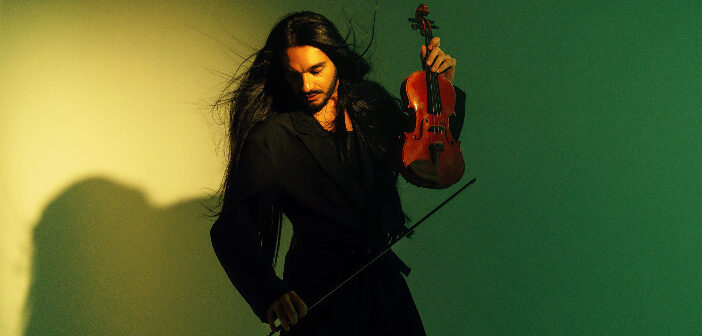
The Serbian violinist Nemanja Radulovic is a maverick in the manner of Nigel Kennedy and David Garrett, a stage animal with a twist of difference. On his latest album, Radulovic wears a monk-like cassock down to the floor with hair down to his waist, as if he had spent the last forty days in a cave, communing with the eternal. The music he performs here is by Prokofiev, a composer whose eye was forever on the earthly and the existential. The surprise lies in the soloist’s approach. Radulovic plays the concerto softly and with introspection, requiring the Philharmonia Orchestra (conducted…
In the age of Chopin and Liszt, Charles-Valentin Morhange (known as Alkan) was the pianist they all feared. So formidable was his technique and so elevated his ambition that only Alkan was able to perform the works he composed at the prescribed speed. Chopin, in his will, entrusted him with completing his unfinished works. Alkan, around 1850, was the foremost pianist in Paris. Then things fell apart. Rejected by the Conservatoire as head of its piano department, Alkan retired to his apartment and lived as a hermit. When he finally emerged two decades later, all the great pianists attended his…
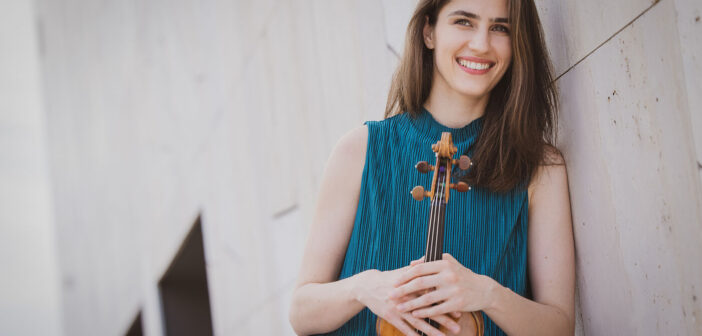
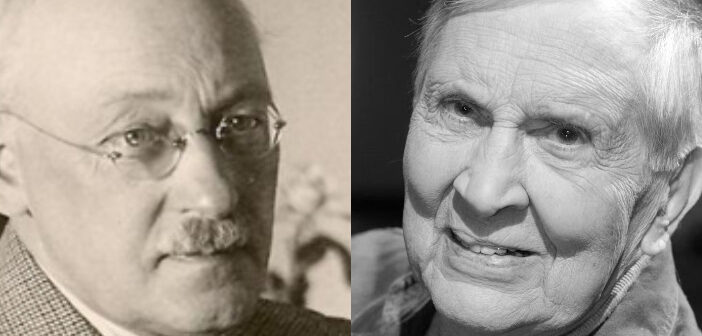
Leó Weiner was the lost soul of Hungarian music. A professor at the Franz Liszt Academy from 1908, alongside Bartok and Kodaly, he shared his colleagues’ fascination with folk music but not their modernism. Weiner’s world belonged to Brahms and Liszt, his orchestration to the 1890s. His first violin concerto is a delight – Bruch without the big tune but with an entwinement of soloist and orchestra and much letting down of hair in the gypsy dances. This is thought to be its first complete performance and none of its 25 minutes outstays its welcome. Júlia Pusker is the unflashy…
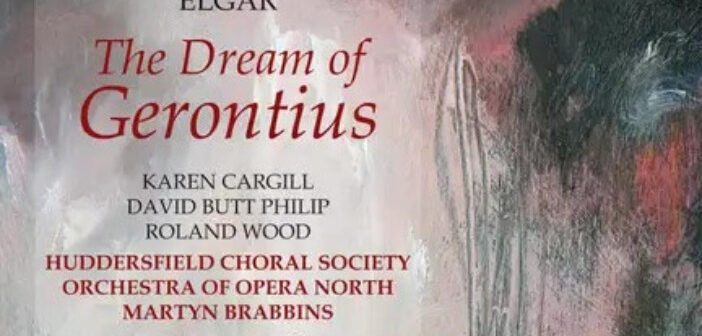
Edward Elgar’s great oratorio could justly be called a deathbed masterpiece – not his own, for it was written in the fullness of his powers, but that of Gerontius who spends the first part of the work dying in an agony of faith and doubt and the second in the company of a Guardian Angel who escorts him into eternity. The dying man is a tenor, the angel a soprano. A baritone and chorus cover the rest. The work is devotional and Roman Catholic though not preachy or pompous. Elgar is not in the business of saving immortal souls. He…
There is a tension within this recording that I have struggled to resolve. The Cuarteto Casals are currently among the world’s best string quartets, certainly top ten. Their two previous volumes of Shostakovich quartets earned my unfettered admiration. The playing on these albums is hyper-athletic, the interpretations informed, sensitive and intelligent. Just about as good as it gets. My first hearing of this final set left me unconvinced. The 13th quartet – a 20-minute-long movement led by the viola – felt overly harsh, unmediated by the possibility of beauty. The 14th, dedicated to a cellist, pulled too much in the…
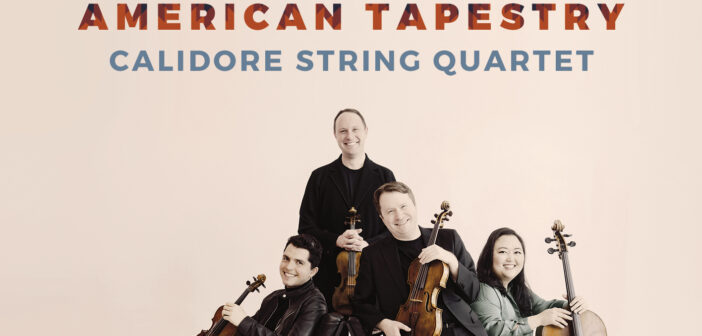
At the end of a week of abusive American power, the last thing I wanted to hear was sentimental Americana squeezed out by a string quartet based in Delaware. There’s a reason companies list in Delaware. It has 2 percent tax, business-friendly courts and no questions asked. Unreal. Still, you never know what a recording will reveal. This one plays out four unrelated styles. Samuel Barber’s first string quartet is known for its mournful middle movement, Barber’s Adagio. The outer movements are rich in tunes. Every American composer envied Uncle Sam Barber’s gift for melody. Jazzman Wynton Marsalis raids New…
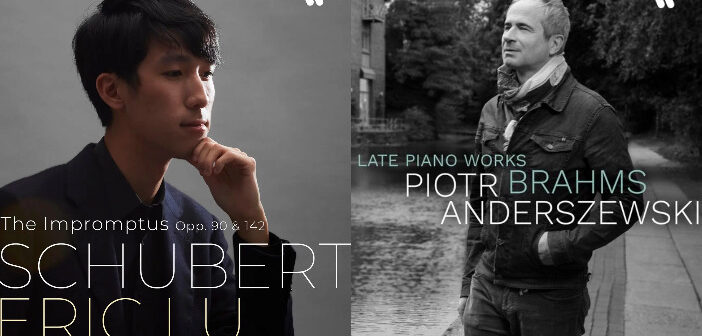
Some people love cheese, others turn green at the sniff of it. We are talking here of matters of taste and discrimination. Several people whose judgement I respect have responded with great enthusiasm to Eric Lu’s twin sets of Schubert Impromptus on the Warner label. Lu, 28, is the American who won last year’s Chopin Competition in Warsaw and the Leeds in 2018. Regardless of how one views those results he is a competent, dedicated and experienced pianist who will enjoy a long career. That said, I practically threw up at the opening note of the opus 90 impromptus, and…
Igor Stravinsky was too much of an egotist to be a good parent. He was a brute to his first wife, Yekaterina, who was also his first cousin, obliging her to pay a monthly stipend to his mistress, Vera Sudeikina. Relations with his children atrophied in the course of these humiliations. Soulima, his third child, never stood much of a chance to find an independent existence. Tutored by his father’s acolyte Nadia Boulanger, he augmented his attempts at being a composer with playing his father’s fairly undemanding piano pieces. In 1939, when Igor and Vera moved to the US, Soulima…
Cold enough for you? Pull on another layer and listen to the Arctic concerto by a Finnish composer whose music has rather subsided since his death ten years ago. Rautavaara belonged to a generation that had to break free from the shadow of Sibelius and find a different way of expressing bleak environmental beauty. For this extraordinary work, the composer integrated tape recordings of wild cranes, larks and swans into an orchestral landscape of compelling attraction. Cantus is, in effect, a concerto for birds and orchestra and I much prefer it to Beethoven’s Pastoral imitations and Messiaen’s overrated Oiseaux exotiques.…