Browsing: La Scena Online

La Scena Online is the digital magazine of La Scene Musicale.Contents: News, Concert reviews, CD reviews, Interviews, Obituaries, etc; Editor: Wah Keung Chan; Assistant Editor: Andreanne Venne
ISSN: 1206-9973

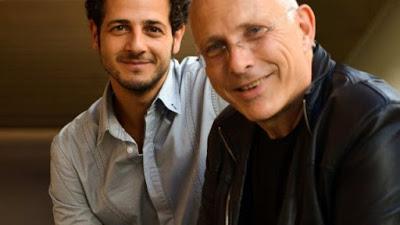
End of Season at the Chapelle Historique The last concert of the series Beethoven: The Sonatas for Piano and Violin with violinist Olivier Thouin and pianist François Zeitouni will take place on May 8 at 3 pm. www.ville.montreal.qc.ca/chapellebonpasteur The MSO MSO and Danse Danse present Anatomy of a Sigh, an evening of dance and music to the sound of the Grand Orgue Pierre-Béique. With organist Jean Willy Kunz and Le Carré des Lombes dance company, in a choreography by Danièle Desnoyers to music by John Rea, Frescobaldi, Alain, and Messiaen. Maison symphonique, May 6 and 7 at 8 pm. www.osm.ca…

Share:
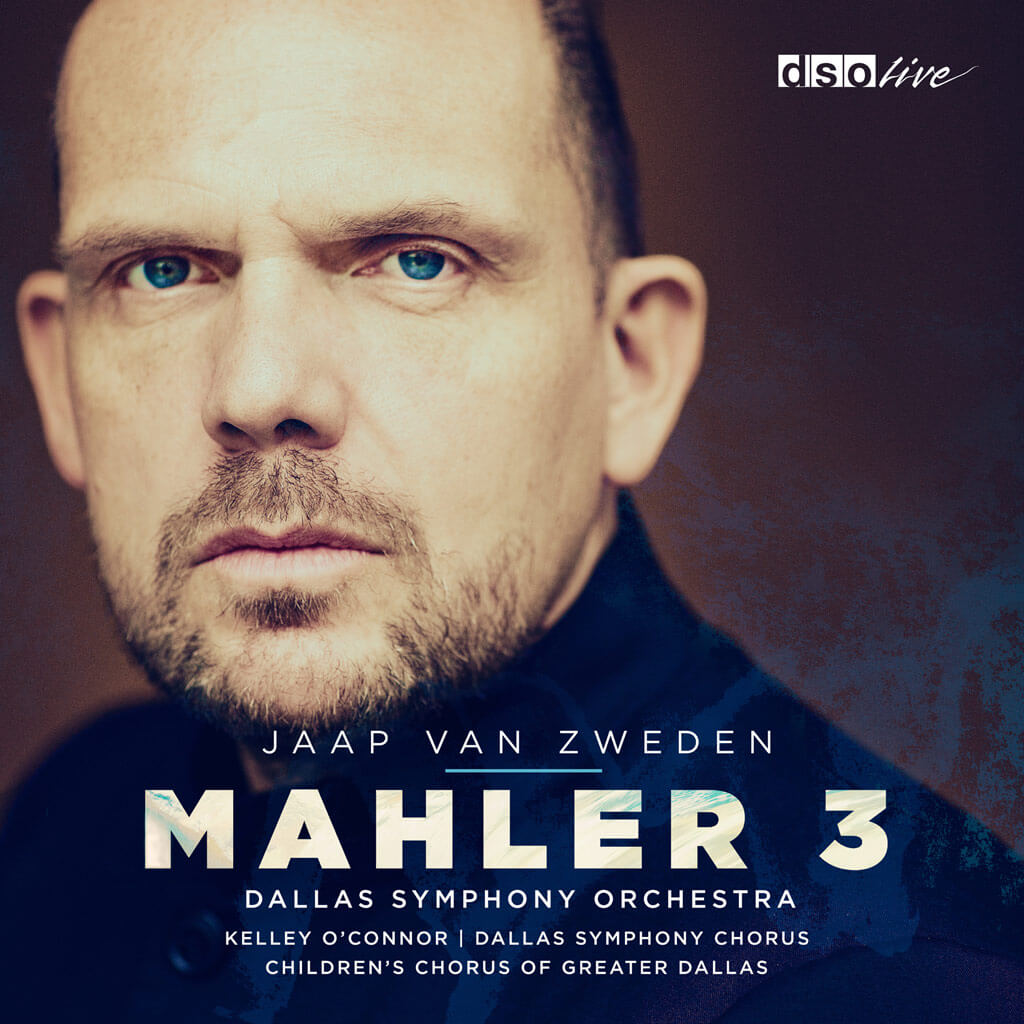
What can New York expect of its next music director? Jaap van Zweeden’s recordings can be counted on your fingers and most are – like this release with the Dallas Symphony – live concerts. Mahler’s third symphony is a large and unwieldy piece with a mezzo soloist and women’s and children’s choruses, a test of organisation for any conductor before he or she can begin to think about interpretation. On first hearing, this performance is efficient and attractive with sustainable speeds and some fetching solos from the concertmaster, Alexander Kerr. The vocal soloist Kelley O’Connor lacks heft and any dimensiom…

Share:

Slower even than one-horse EMI, Deutsche Grammophon was the last label of consequence to adopt stereo recording in the late 1950s. Its circumspection is, in retrospect, comprehensible. In austerity-minded Germany, a second living-room speaker would have been deemed an anti-social luxury and DG’s mono quality was, by any criterion, world-class. Under the leadership of camp-survivor Elsa Schiller, DG had buried its Nazi past beneath a blaze of new talent and high performance. The DG represented in this massive box of rarities is a label under post-War reconstruction, fascinating in its rigour and frugality. This is DG in the age before…

Share:

Musica Orbium, under the direction of Patrick Wedd, treated audiences to some stunning vocal performances at two performances of their concert “Extravagance Polyphonique” at the Église du Gesù last Sunday, April 17. The program, based around the illustrious motets Spem in alium by Tallis and Ecce beatam lucem by Striggio, also contained lesser-known gems, including works that predate the aforementioned motets such as Johannes Ockeghem’s Deo gratia à 36 and Josquin des Prez’s Qui habitat in adiutorio altissimi for 24 voices, as well as contemporary works including Patrick Wedd’s Nines₂, composed for Musica Orbium’s tenth anniversary, and Gregg Smith’s Sound…

Share:

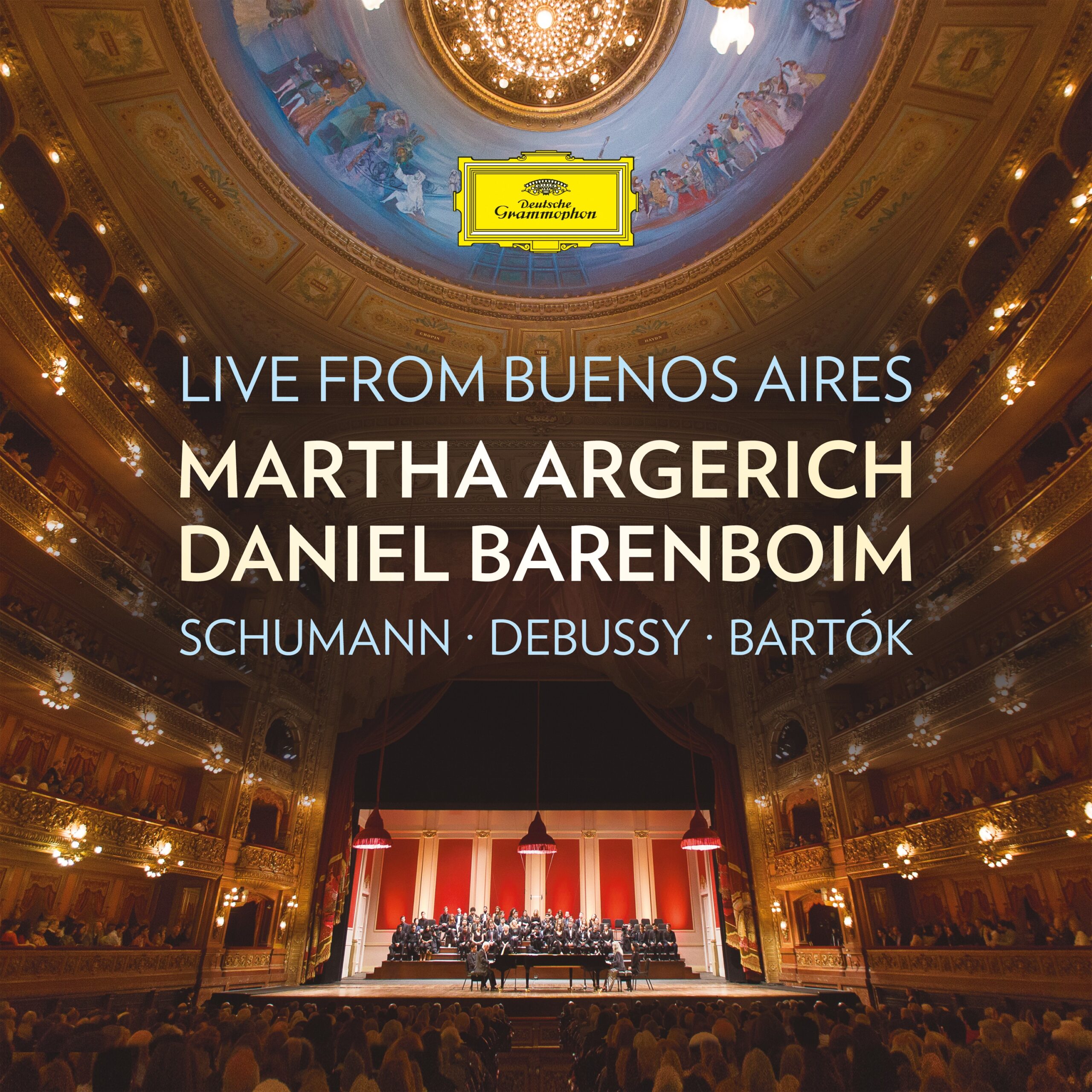
The question is, what took them so long? Martha Argerich and Daniel Barenboim, born a year apart in Buenos Aires to Jewish mothers of Russian extraction, have left it until their mid-seventies to discover common ground. Both prodigious pianists, they sailed for Europe where their paths diverged. Argerich won the Busoni and Chopin competitions and worked intensively with Italian conductors, notably Abbado, Muti, Sinopoli and Chailly. Barenboim determined from an early age to be an orchestral conductor. He had no need for other pianists. When he put on a concerto he could play it himself (or call in his mentor,…

Share:

Verdi: Nabucco Overture Schubert: Symphony No. 8 in B minor “Unfinished” Nigel Westlake/Lior Attar: Compassion (U.S. Premiere) Lior Attar, singer Austin Symphony Orchestra/Peter Bay Long Center Austin, Texas Saturday, April 9, 2016 For many decades now, one of the most intractable problems facing world leaders has been the conflict between Israel and its Arab neighbours. Although experienced diplomats have tried their best to bring it about, peace seems beyond their reach. Over the years, a number of artists have tried to bridge the gap in their own ways.Daniel Barenboim, for example, created the West-Eastern Divan Orchestra to bring young Israeli and Arab musicians together and it has been…

Share:

Most composer reputations subside in the generation after their death. It’s as if posterity calls time out while deciding its final judgement. Witold Lutoslawski is a notable exception to this hiatus rule. Since his death in 1994, performances of his music have become more frequent and his status has risen steadily among both modernists and conservatives. A Pole living under Stalinism, Lutoslawski was adept at facing both ways without sacrificing his creative principles. He wrote works of dangerous aleatory freedom and others of completely conventional form. All bore his unmistakable elegance. The Concerto for Orchestra, premiered in 1954, was acclaimed…

Share:

You knew that the author of Doctor Zhivago was a composer, right? You didn’t. Well sit back; this might take a while. One of the most iconic portraits of the mystical Russian musician Alexander Scriabin was painted by the distinguished arstist, Leonid Pasternak. The sitter so impressed the artist’s 14 year-old son that Boris Pasternak promptly decided to become a composer and went to study for a while at the Moscow Conservatoire. Six years later he gave up writing music, but Scriabin’s influence proved formative and enduring, especially on his poetry. Boris Pasternak later married the wife of the important…

Share:

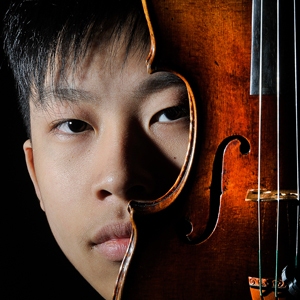
Emerging Musicians with Pro Musica Young violinist Kerson Leong has taken the music world by storm. He won first junior prize at Oslo’s Menhuin Competition and the Tremplin in Quebec. He was named Radio-Canada Révélation winner in 2014-2015. He will play works by Ravel, Poulenc, Debussy, Fauré, Gershwin, and Dompierre. March 30, 3:30 pm. www.promusica.qc.ca/en Camerata Relives the First Viennese School When Haydn, Mozart, and Beethoven experimented with the Viennese Classical Style, keyboard instruments changed forever. With Pure Classics, horn players John Zirbel and Catherine Turner will join Musica Camerata Montréal to perform a Haydn Divertimento, Mozart’s arrangement of his…

Share:

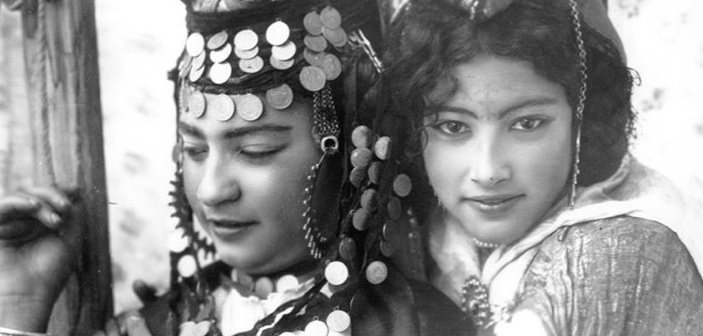
135 Years ago this day, March 25th 1881, Bela Bartok was born. Regarded as one of Hungary’s greatest composers, Bela had a musical curiosity that would change the way the West sees and understands music. He was in his early 30s when he decided to pack the most modern recording instrument of the time, the Edison Phonograph, and head to Algeria to research Arab Folk Music. Originally Bela was set to go alone, but it the last minute he suggested Marta (wife) to join him. And off they went. They traveled from Marseille to the port of Sakîkdah in Algeria…

Share:
1 140 141 142 143 144 172