This page is also available in / Cette page est également disponible en:
 Français (French)
-
Alpha Classics3.5
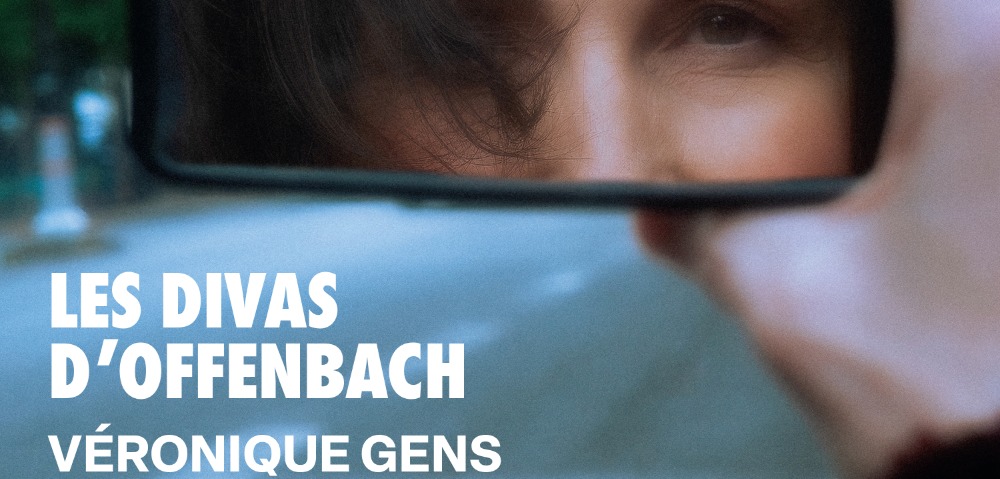
Les Divas d’Offenbach
Véronique Gens, soprano; Chœur et orchestre national des Pays de la Loire; Hervé Niquet, conductor
Alpha Classics in collaboration with Palazzetto Bru Zane, 2025
Sometimes we see singers more associated with serious repertoire turn to lighter works in their maturity. Jacques Offenbach has often benefited from these shifts, as seen in complete editions of his works showcasing Régine Crespin or even the excerpts recorded by Frederica von Stade or Anne Sofie von Otter. Known for her baroque and Mozart roles, soprano Véronique Gens has taken this route herself, though it’s fair to say the result, unfortunately, is disappointing.
The first thing that strikes the listener is the absence of humour—that smile we can detect in the voices of her predecessors. It also seems that at this stage in her career, Gens’s tone has lost its spark and is sparing in its colours. In roles that require warm, full tone in the lower register, such as those created by Hortense Schneider in La belle Hélène or La grande duchesse de Gérolstein, the French soprano produces muted sounds. She maintains her trademark, impeccable diction, but doesn’t play much with the text—and also makes a very surprising liaison mistake in the recitative preceding the verses of La diva: “J’ai fait z’un rêve…”
Offenbach Rarities
It’s a shame, as this release offers beautiful rarities, including works never before recorded in their entirety (La boulangère a des écus, Dragonnette, Boule de neige) and alternative arias from well-known operettas created to showcase a specific performer. One expects a lot from Hervé Niquet, a conductor whose overflowing energy seems ideal for the music of Offenbach. Sadly, he often lacks subtlety and imposes some quite mechanical tempos where flexibility is needed.
This is especially evidenced in both Robinson Crusoé excerpts; the magnificent symphonic interlude of Act II lacks grandeur and lyricism, while the delicate lullaby sung by an overwhelmed Vendredi finds itself devoid of abandonment and emotion.
Even the accompanying booklet leaves something to be desired. The introduction by Alexandre Dratwicki is brilliant, as always, but provides no contextual information on the works, so you would have to scour the internet to find information on obscure titles like Valéria and Le roman comique. Lastly, the names of the libretto writers are nowhere to be seen— and some great creators are among them, including Meilhac and Halévy, Sardou, Crémieux.
Nevertheless, Gens devotees will want to hear their idol in this excursion off the beaten path, while Offenbach lovers will be curious to hear his lesser-known music. Although imperfect, the album, therefore, still holds some interest.
Translation: Isabel Garriga
This page is also available in / Cette page est également disponible en:
Français (French)