On June 5, Matthias Maute led ArtChoral and Ensemble Caprice in a performance of Bach’s Magnificat at Montreal’s Maison symphonique. Lasting about 30 minutes, Magnificat is relatively short for a choral work. The evening was filled out by violinist Mark Fewer’s performance of Bellatrix, a contemporary work by Jeffrey Ryan, and one of the great concertos of violin repertoire—Mendelssohn’s Violin Concerto no. 2 in E minor.
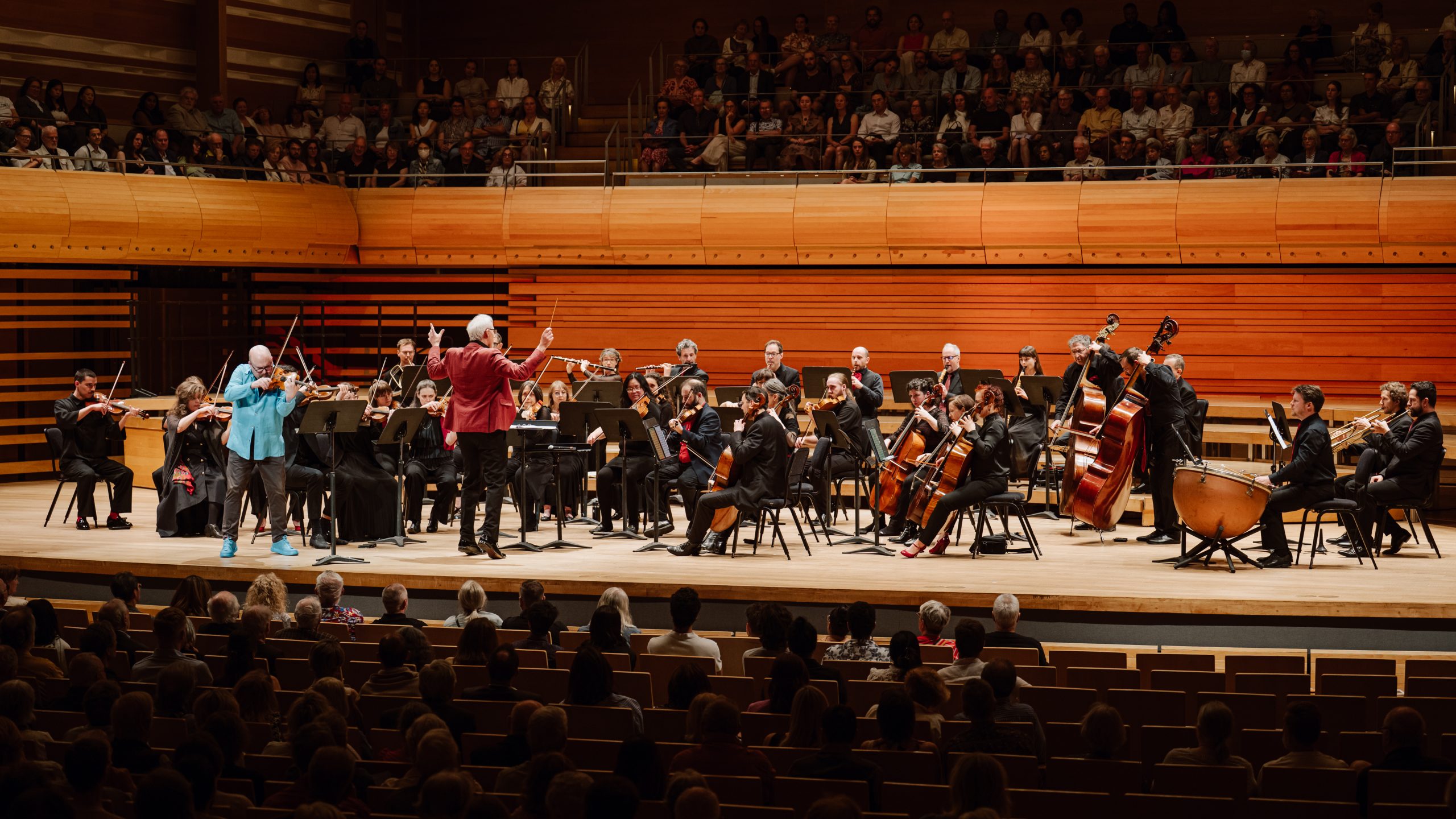
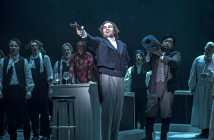
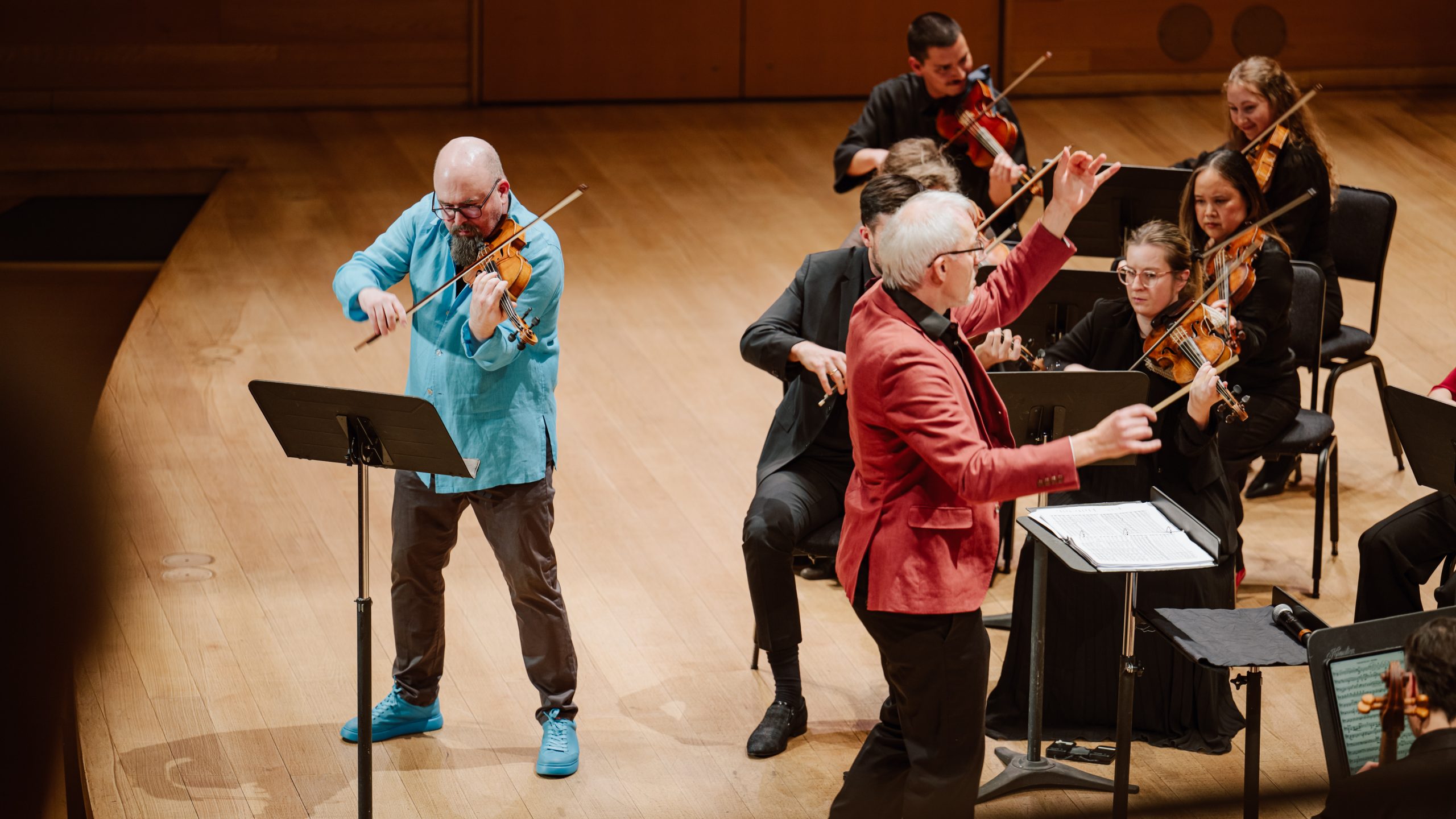
Mark Fewer with Ensemble Caprice conducted by Matthias Maute. Photo: Tam Photography
What you missed
Maute conducted the orchestra with clear and crisp momentum, giving special attention to the rhetorical phrasing of the musical lines. From the audience, it seemed that the orchestra was thoroughly enjoying playing these gems of the repertoire. Their vivacious energy, coupled with expert playing on richly resonant Baroque instruments, made for a stellar performance.
In the Magnificat, the vocal soloists contributed to the overall sublimity of the whole, asserting their parts without overstatement. Soprano Janelle Lucyk’s warm vocal tone and clear diction was beautifully supported by the orchestral violin and cello solos in the third movement, Quia respexit humilitatem. The artful, restrained phrasing by each soloist swiftly gave way to the joyous chorus of the Omnes Generations, a particularly special musical moment.
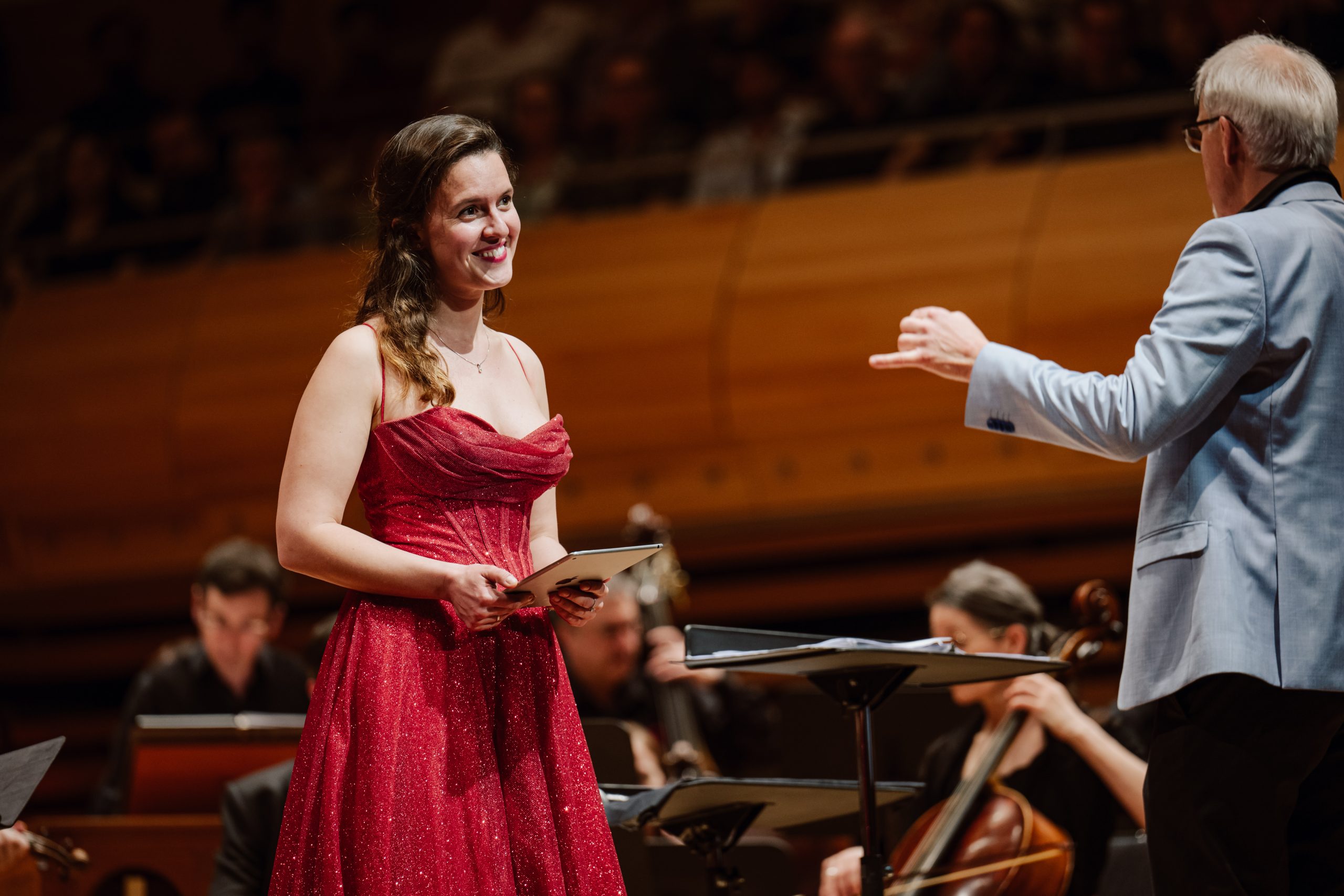
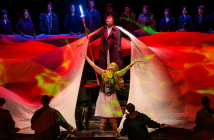
Janelle Lucyk with Ensemble Caprice. Photo: Tam Photography
Mark Fewer’s Mendelssohn was a bit uncertain at times, and it seemed there was some hesitation getting into the flow of the piece after the performance of Bellatrix. This was understandable, as the very dense and virtuosic contemporary piece—which also features live shouting—is rather far-removed from the long, singing line that opens Mendelssohn’s concerto. Fewer seemed to thrive in the dense passages of the concerto, performing the cadenza with the focused and intense energy of a great rock n’ roll guitar solo. The more melodic lines, however, could have been more singing. The second movement lacked much of the radiant sweetness that the main theme calls for, and a stronger sense of build-up in the phrasing of longer melodic passages would have been preferable.
For more about Ensemble Caprice’s 2026-27 season and upcoming concerts, visit www.ensemblecaprice.com/concerts