
The first verse in Schubert’s Winterreise is in the past tense: “I came here as a stranger, and as a stranger I leave again.” But on Oct. 16 at Koerner Hall, baritone Matthias Goerne performed it in the present, if not the future: restlessly shifting his gaze, then his whole body, to left and right, he compelled his audience into the moment, as if to project not so much resignation to Fate as an anxious search to escape it. And it is that anxiety that became the fixation of the 23 remaining poems.
For a while it seemed that Goerne’s florid physicality might prove an unwanted distraction, or at least too unrelenting. It certainly wasn’t done on a whim. Rather it was the signature move of his entire 75-minute performance.
Yet soon enough it became clear that resistance was futile. So complete was Goerne’s vocal mastery, so comprehensive his identification with the unfortunate winter-wanderer, that the compulsion to enact every nuance of emotional pain became something to marvel at. Each song was freighted with its own level of intensity, both in its own right and in relation to its overall place in the cycle. Each verse had its nerve-centre, and each word—virtually each phoneme—its own colour and timing.
Over-calculation, then? Not a bit of it. Perfection? Not quite, perhaps. But artistry at this level makes a mockery of forensic examination.
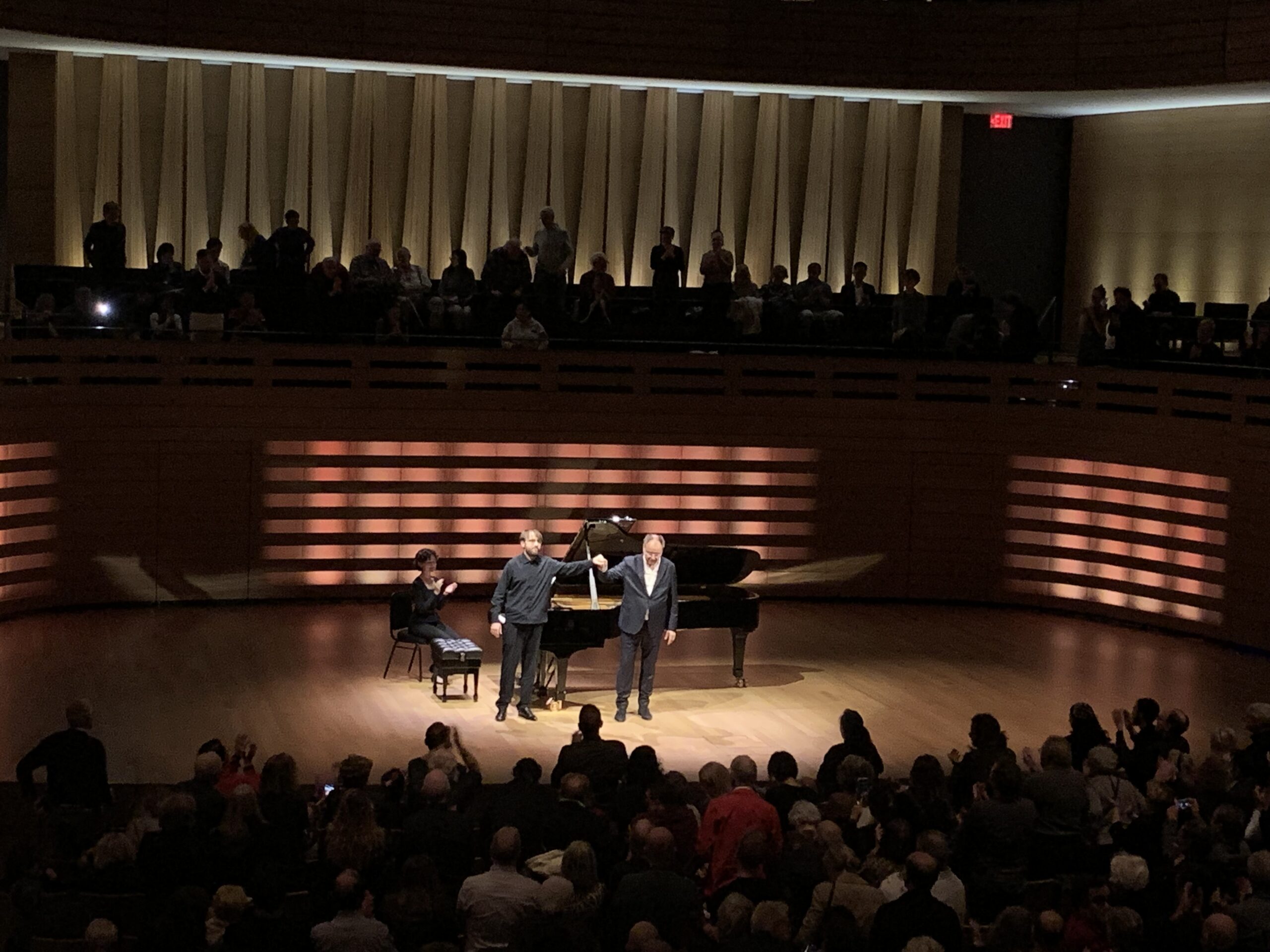
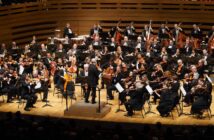
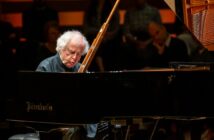
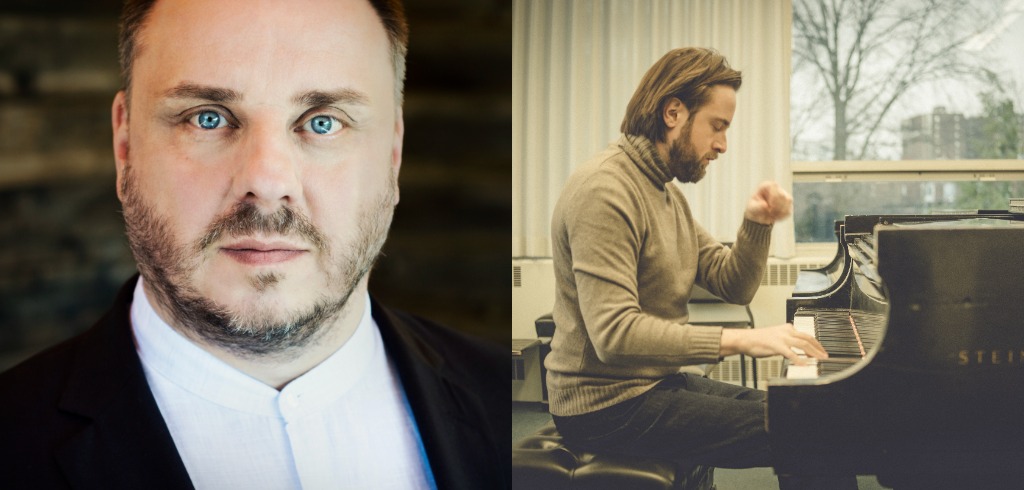
Daniil Trifonov & Matthias Goerne at Koerner Hall. Photo: Courtesy of RCM
Goerne’s frequent clasping of the piano served to remind us that the instrument is as crucial to Schubert’s expressive world as the voice. If the voice enacts and feels, the piano reflects—setting scenes, reinforcing, challenging. Any ‘accompanist’ with an ounce of musicality understands this. But few can fulfil the role with such acute sensitivity as Daniil Trifonov.
And even fewer command the superior resources of touch and timing that allow for such seemingly infinite shades of poetic nuance. Anyone who wondered—as I confess I did—whether this master of the barnstorming solo and concerto repertoire would be equally at home in the diametrically opposed world of Lieder need not have worried. If anything, it was Trifonov who supplied the stillness and inwardness, while Goerne personified the pain.
As early as the sixth song, “Wasserflut”, the conjunction of artists and music was quietly hypnotic. Any suspicion of going too much over the same emotional ground had already evaporated. Many of the songs are through-composed rather than strophic, and in Goerne and Trifonov’s hands they felt as though they were being composed before our eyes. That goes equally for the ‘raging torrent’ of “Auf dem Flusse” at one extreme and for the heartbreaking awakening from illusion of “Frühlingstraum” at the other. “Einsamkeit” was the quintessence of world-weariness. And so on. Whatever the tempo, Goerne seemed to have time to register the full import of the words, and the partnership with Trifonov was more like a symbiosis.
Long before the end, the effect had become overwhelming. With “Der Leiermann”, we were so far beyond heartbreak that words truly failed. Goerne has recorded the cycle at least twice before. If the chance to put his latest interpretation with Trifonov onto CD is missed, it will be a crime.
Matthias Goerne and Daniil Trifonovs’ Winterreise tour continues with several dates still to come in the United States.